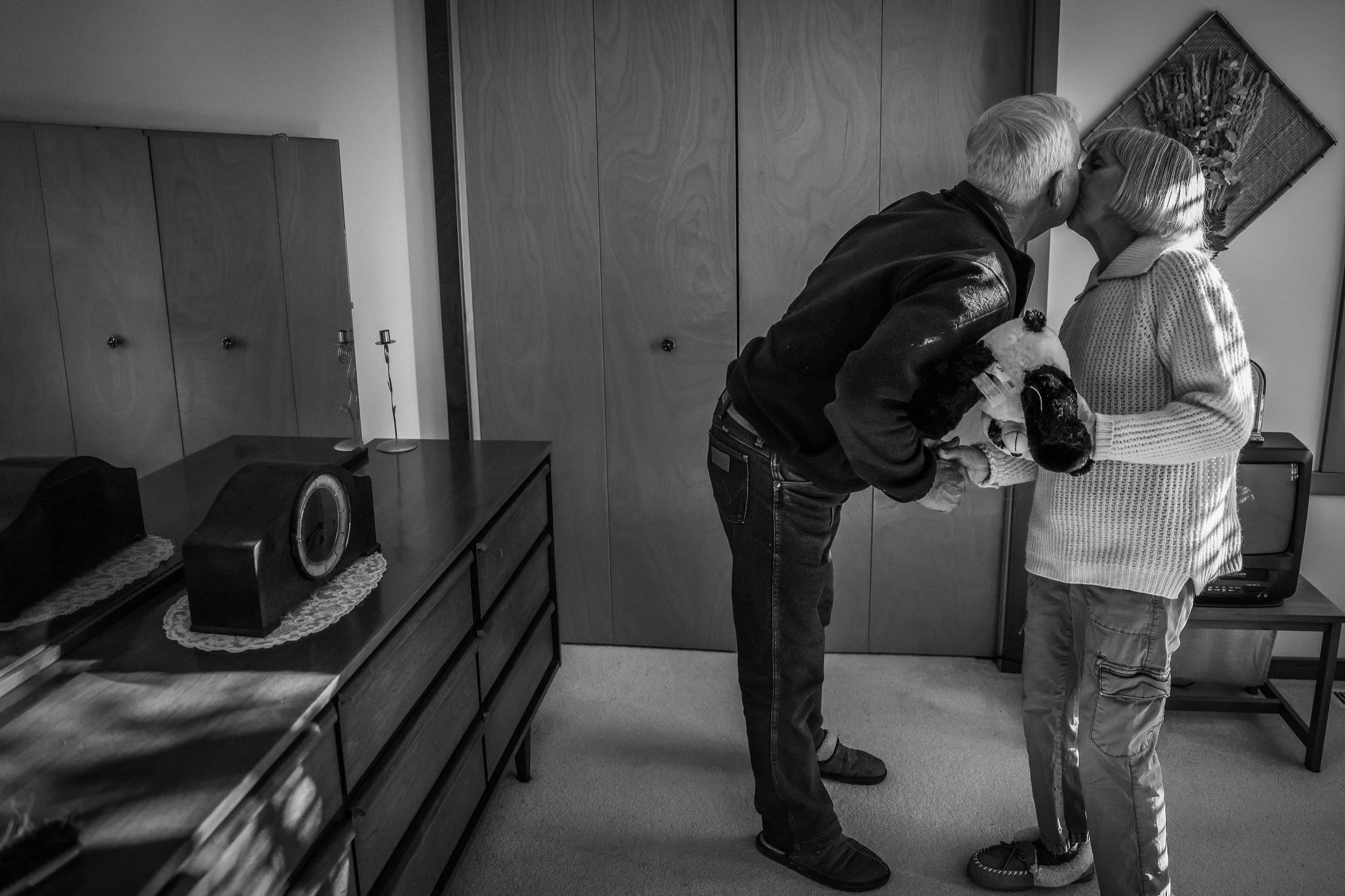
2025 BOB AND DIANE FUND GRANT
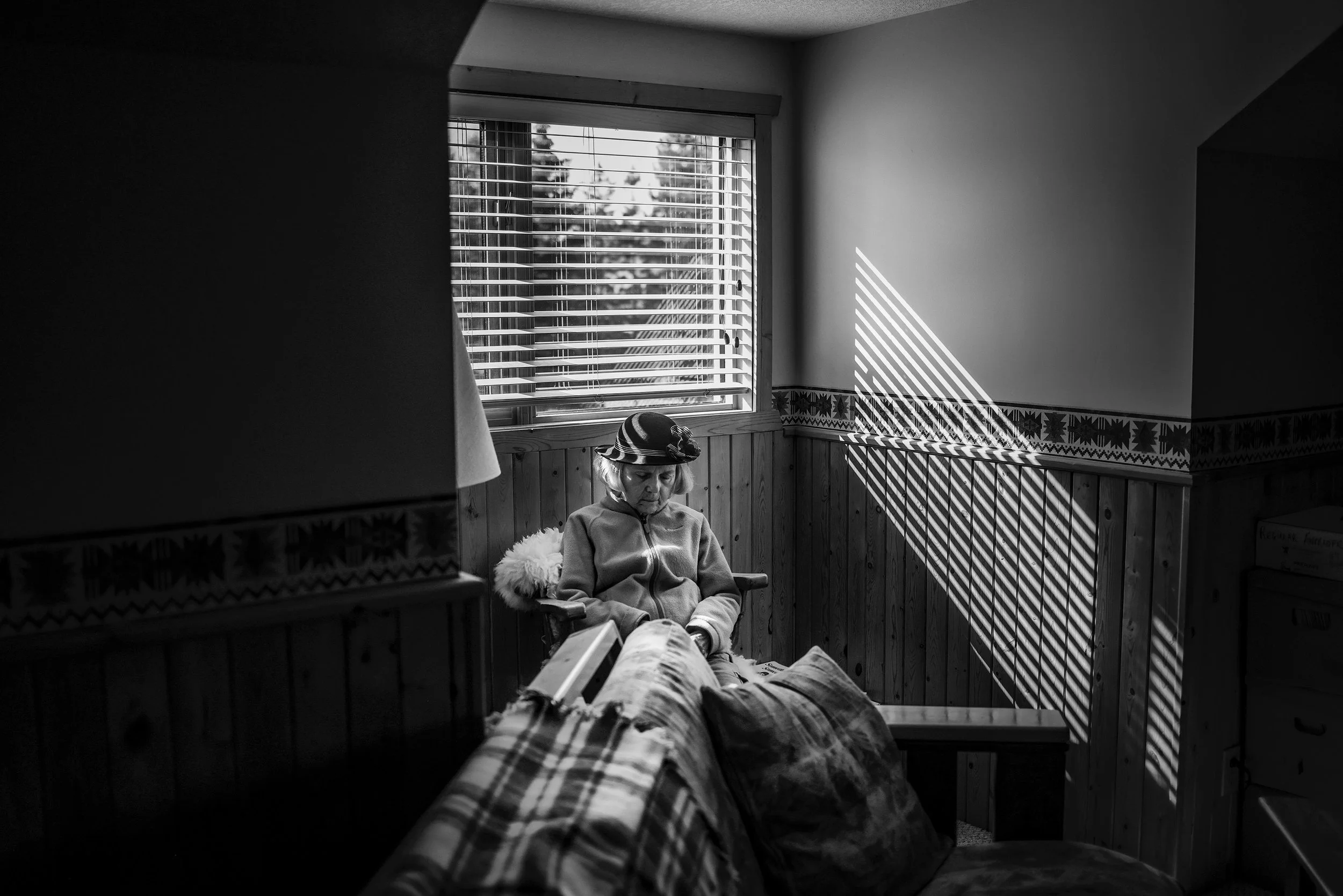
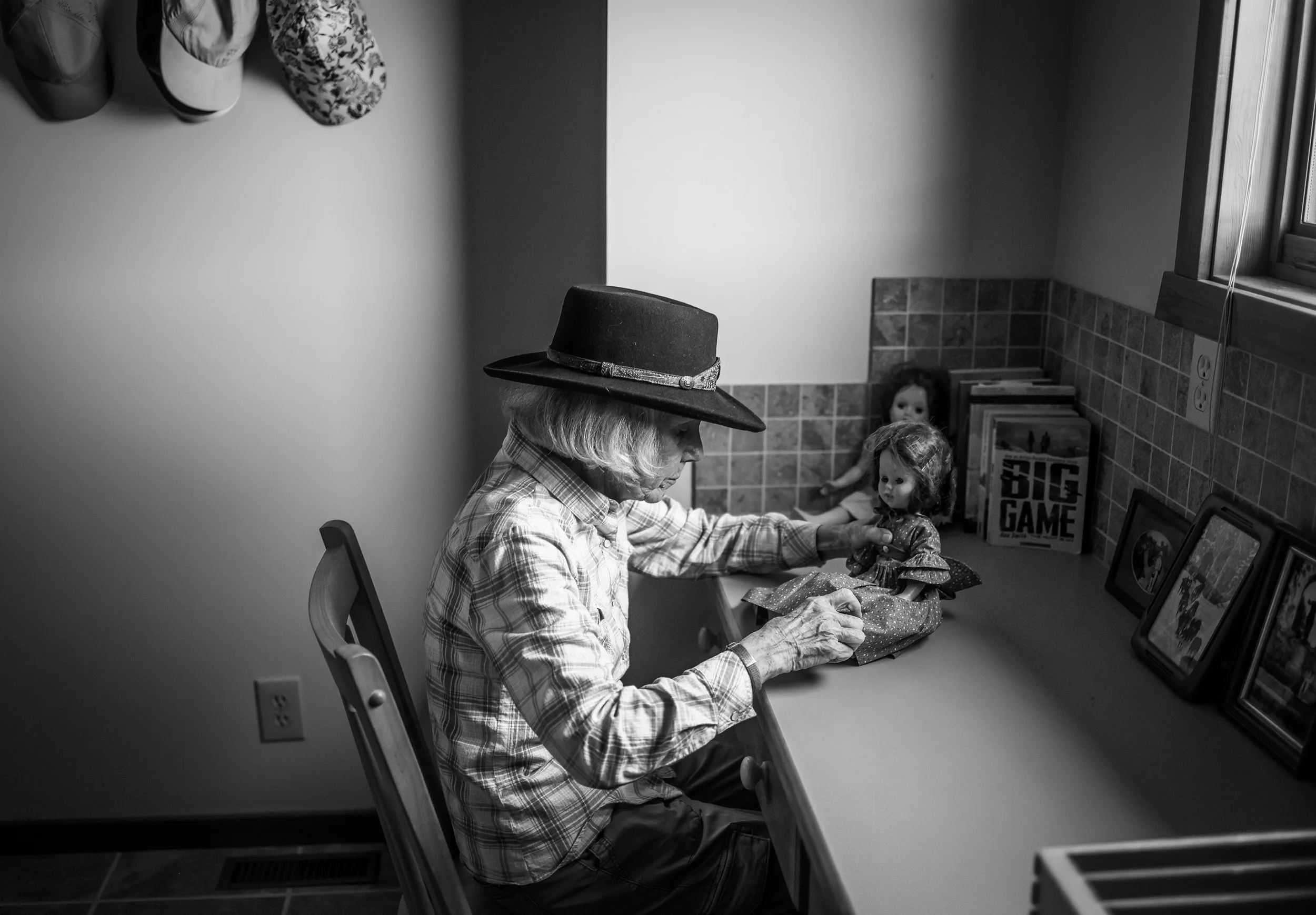
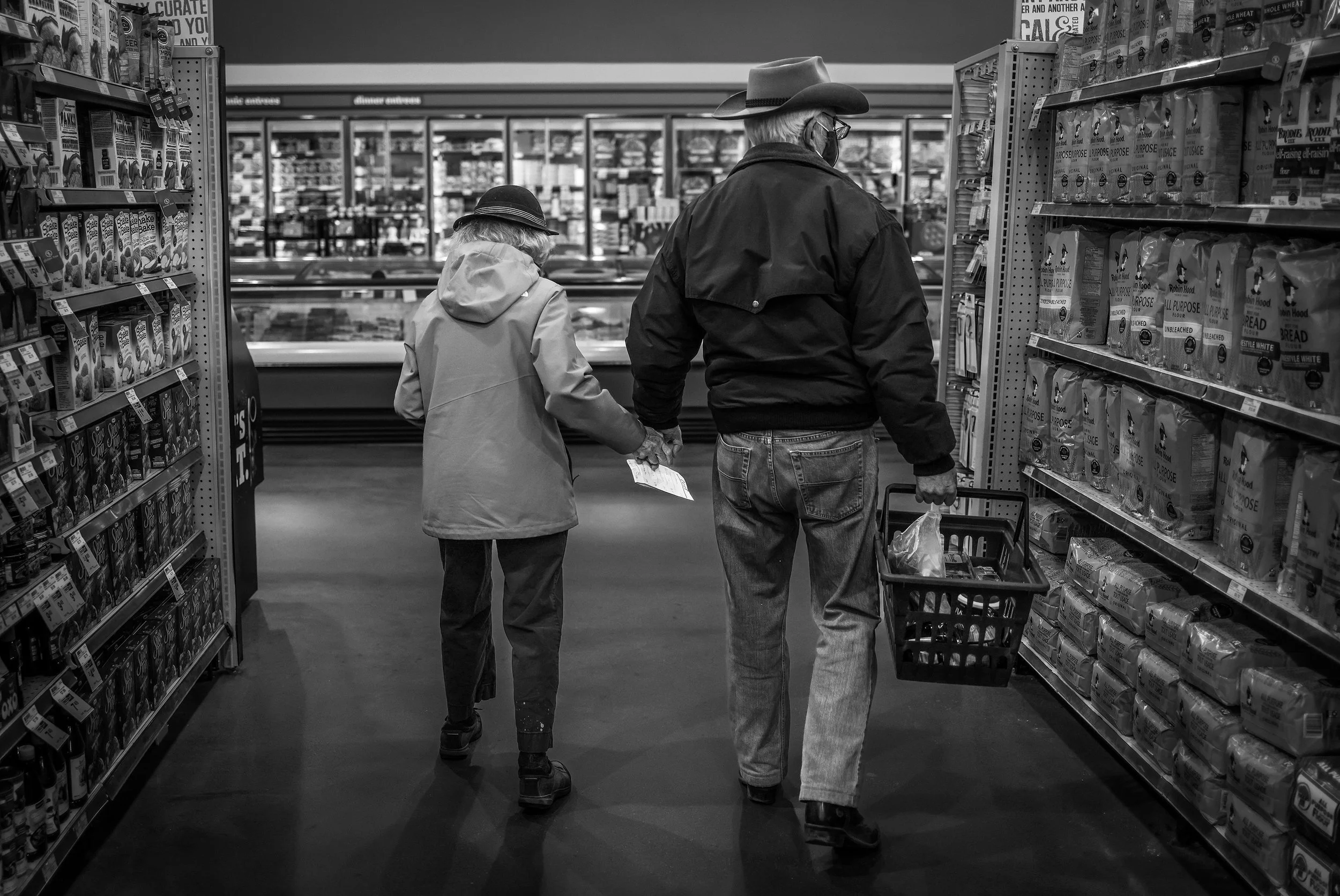
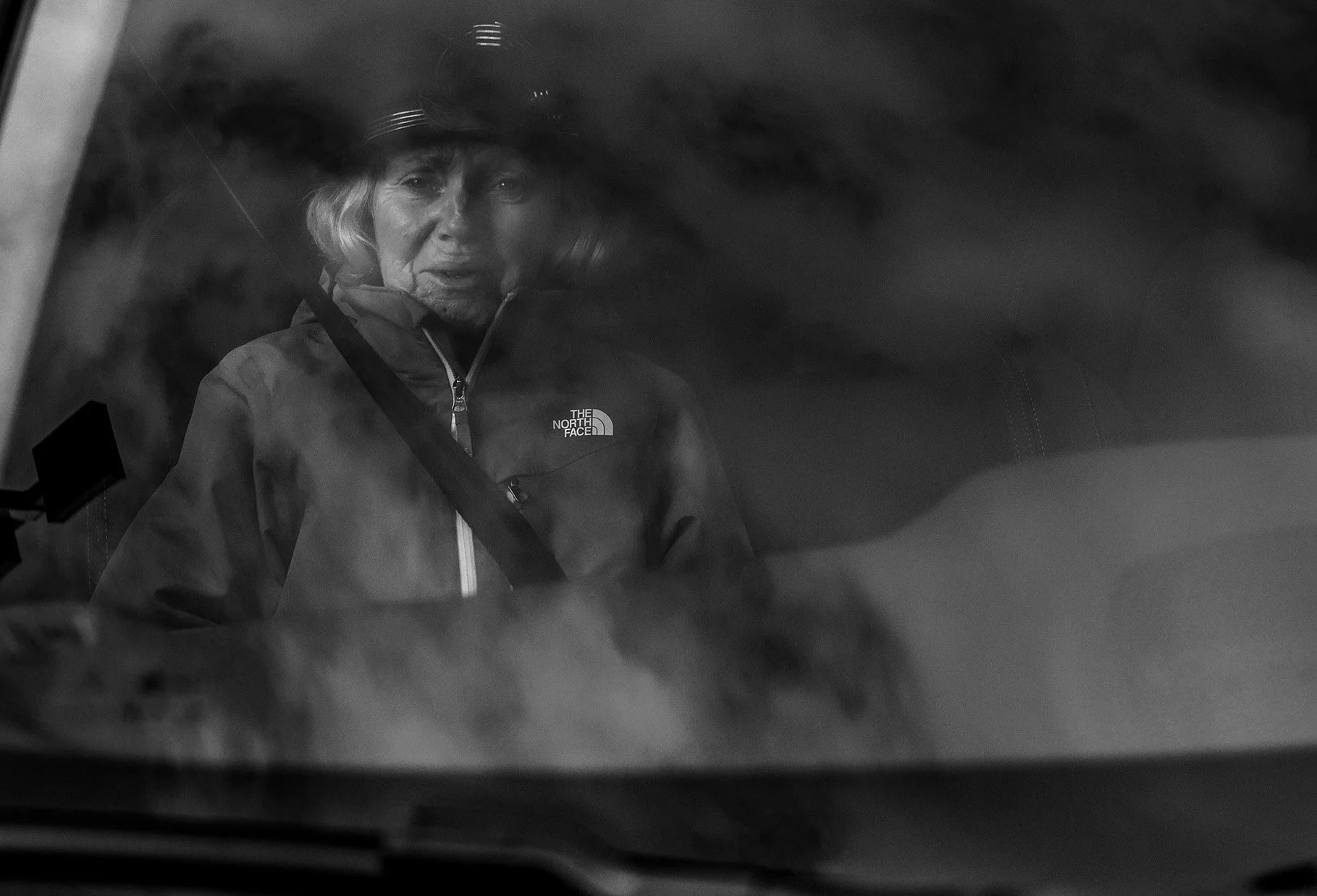
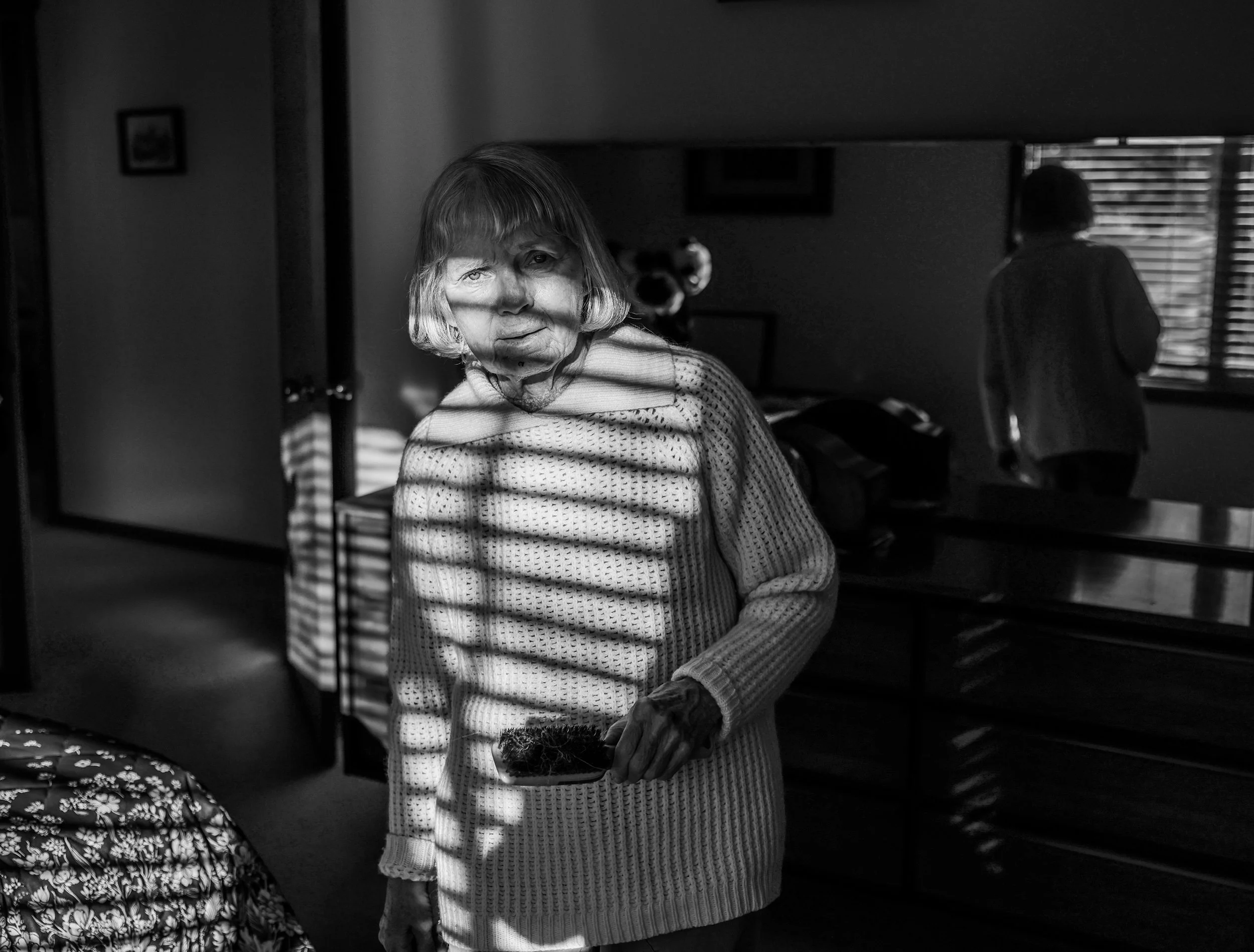
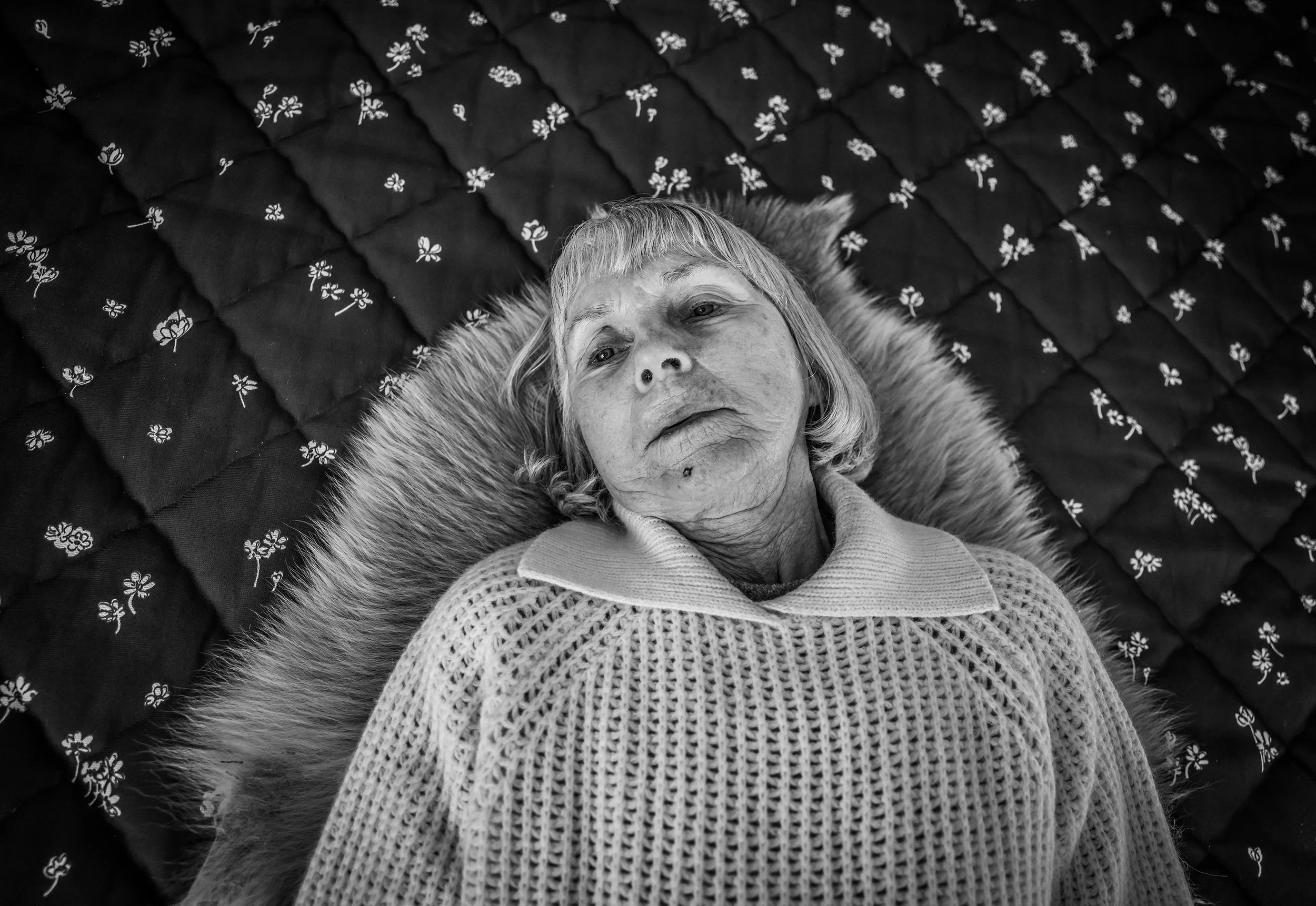
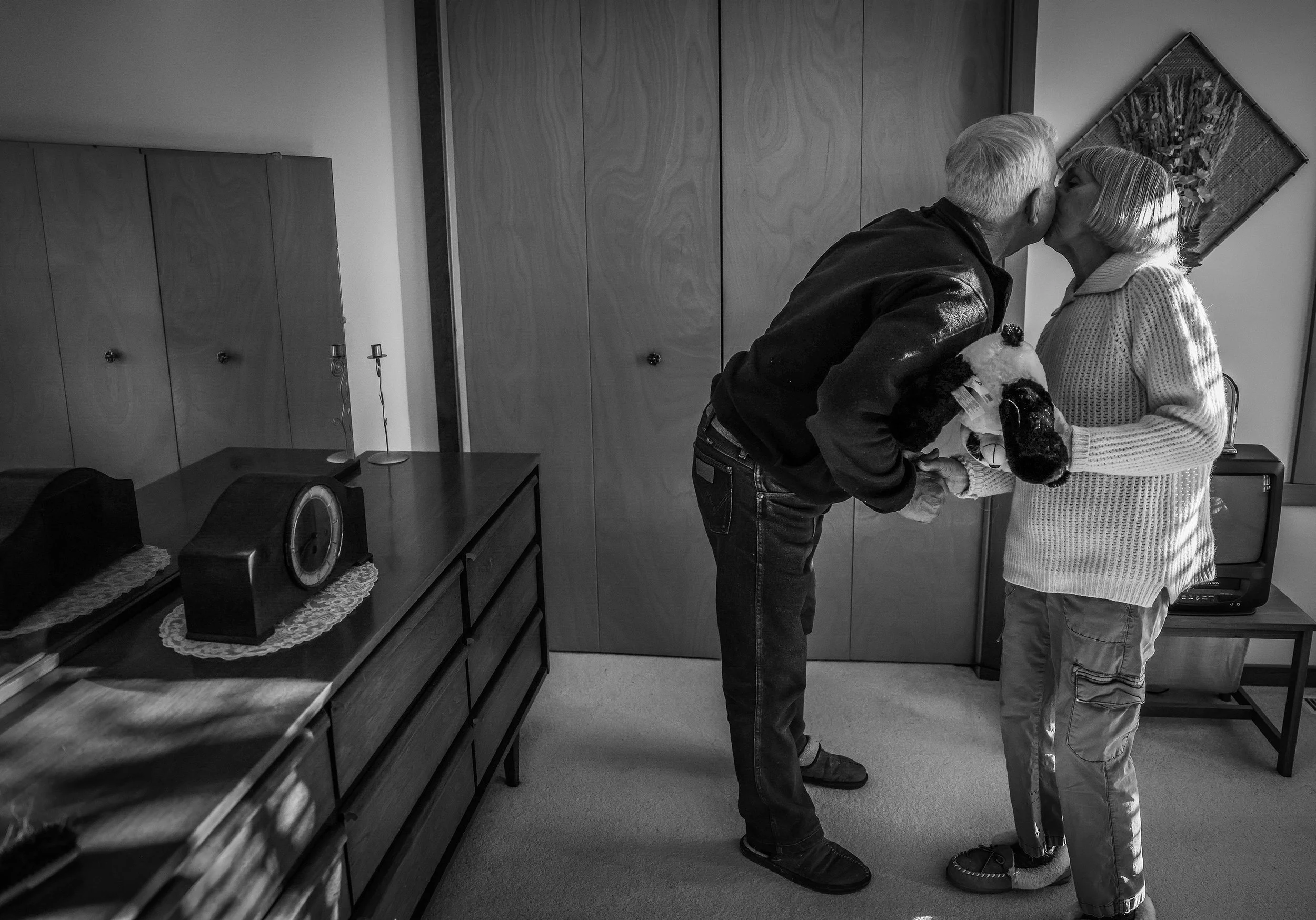
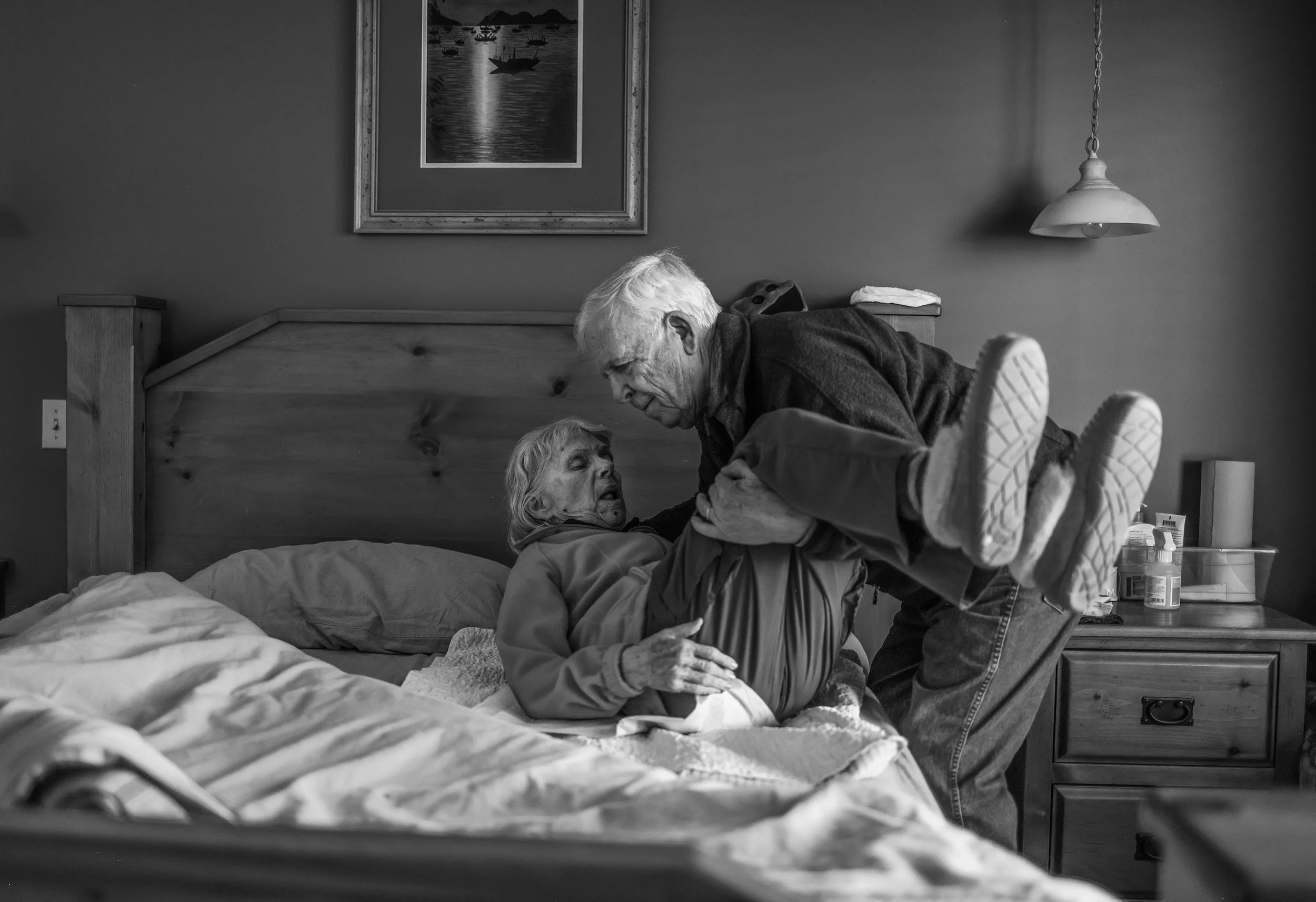
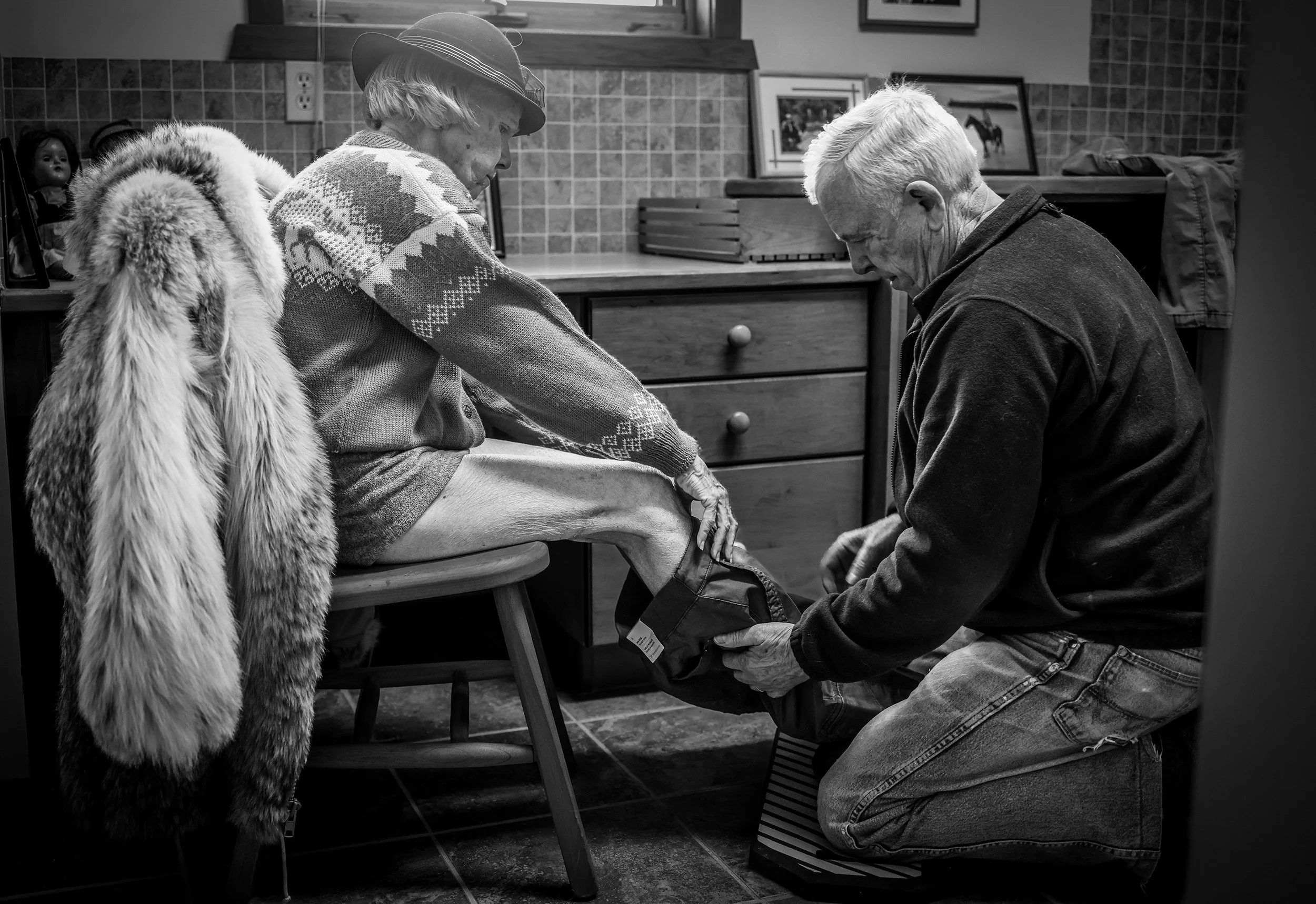
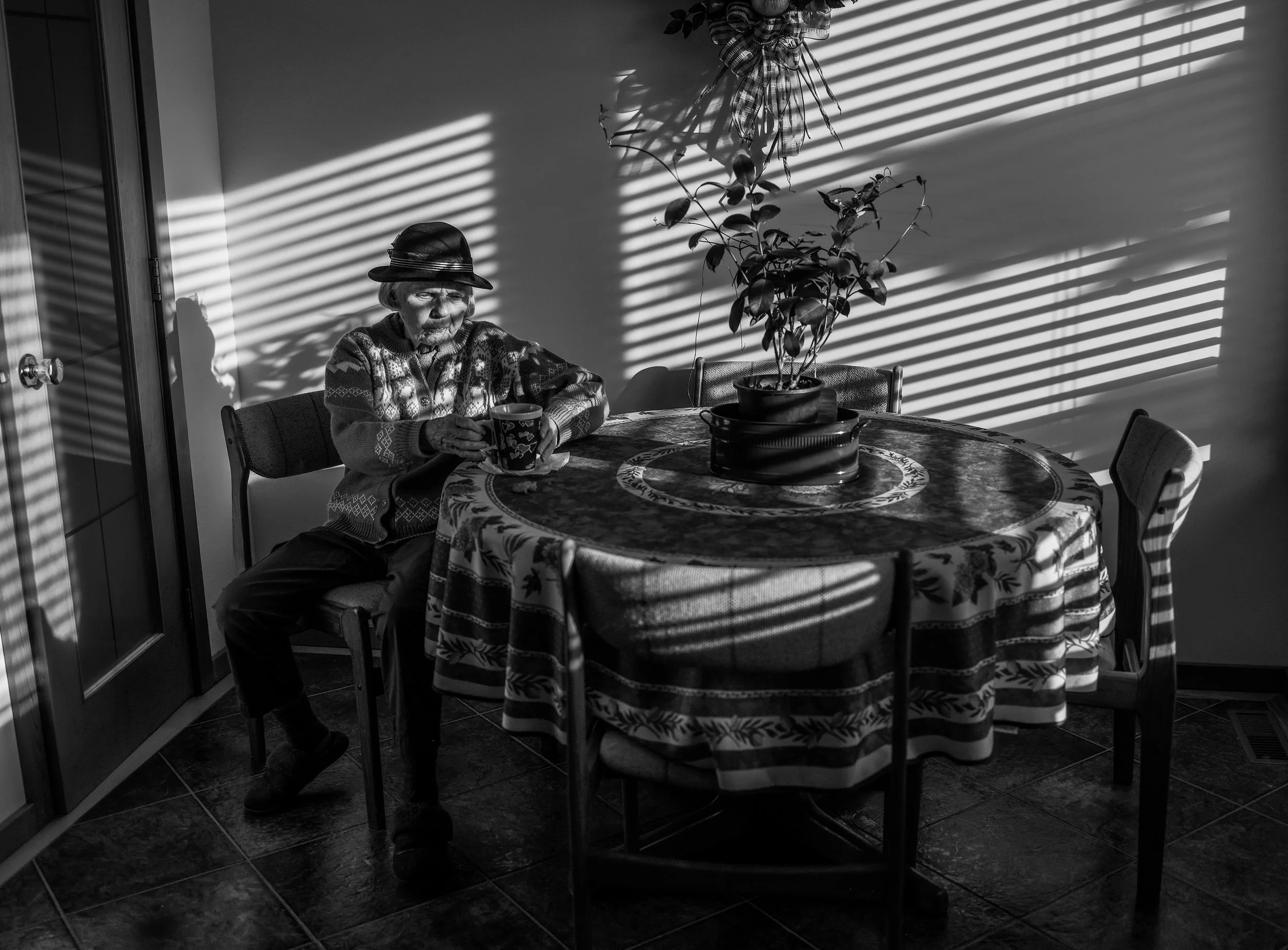
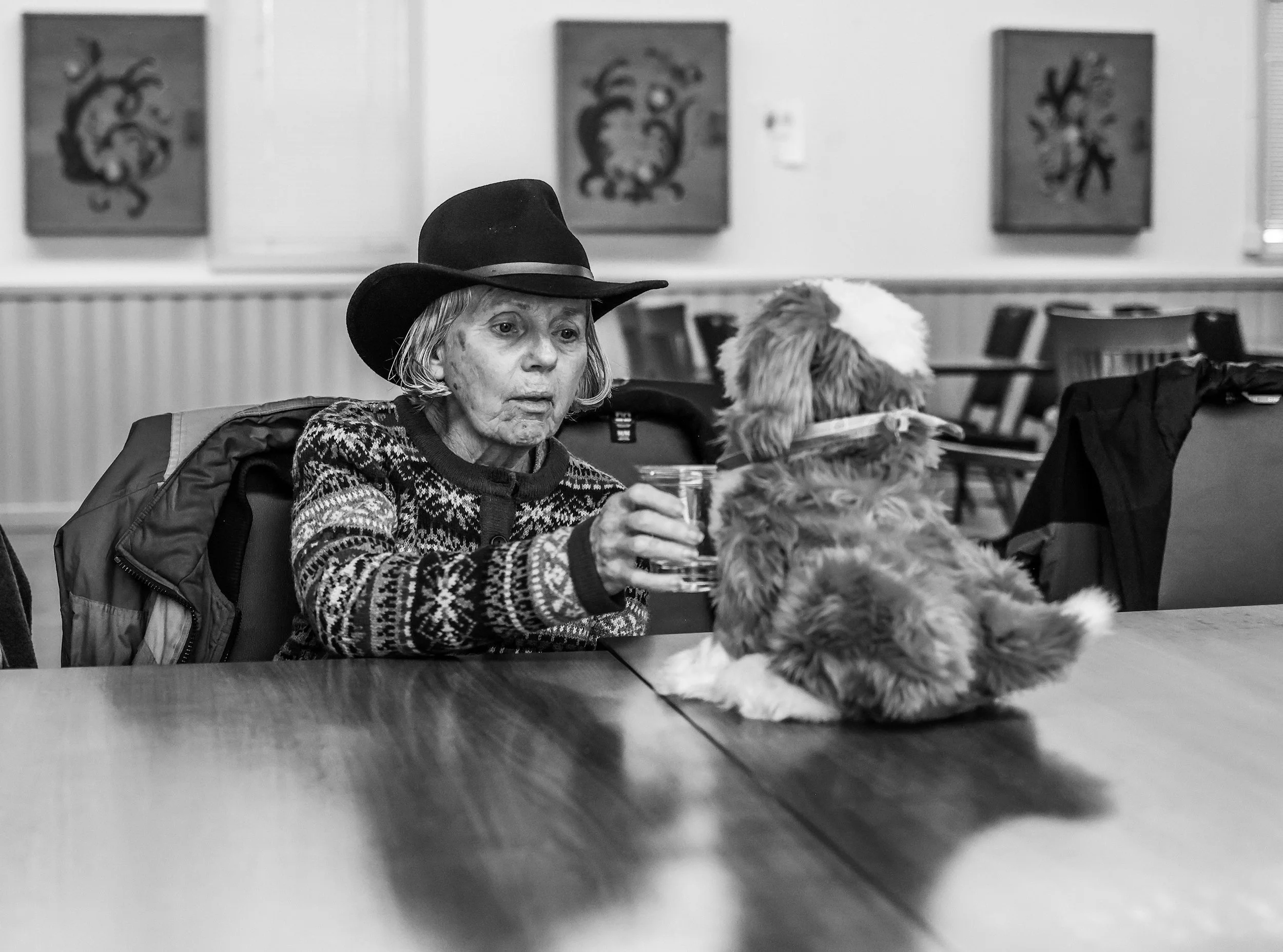
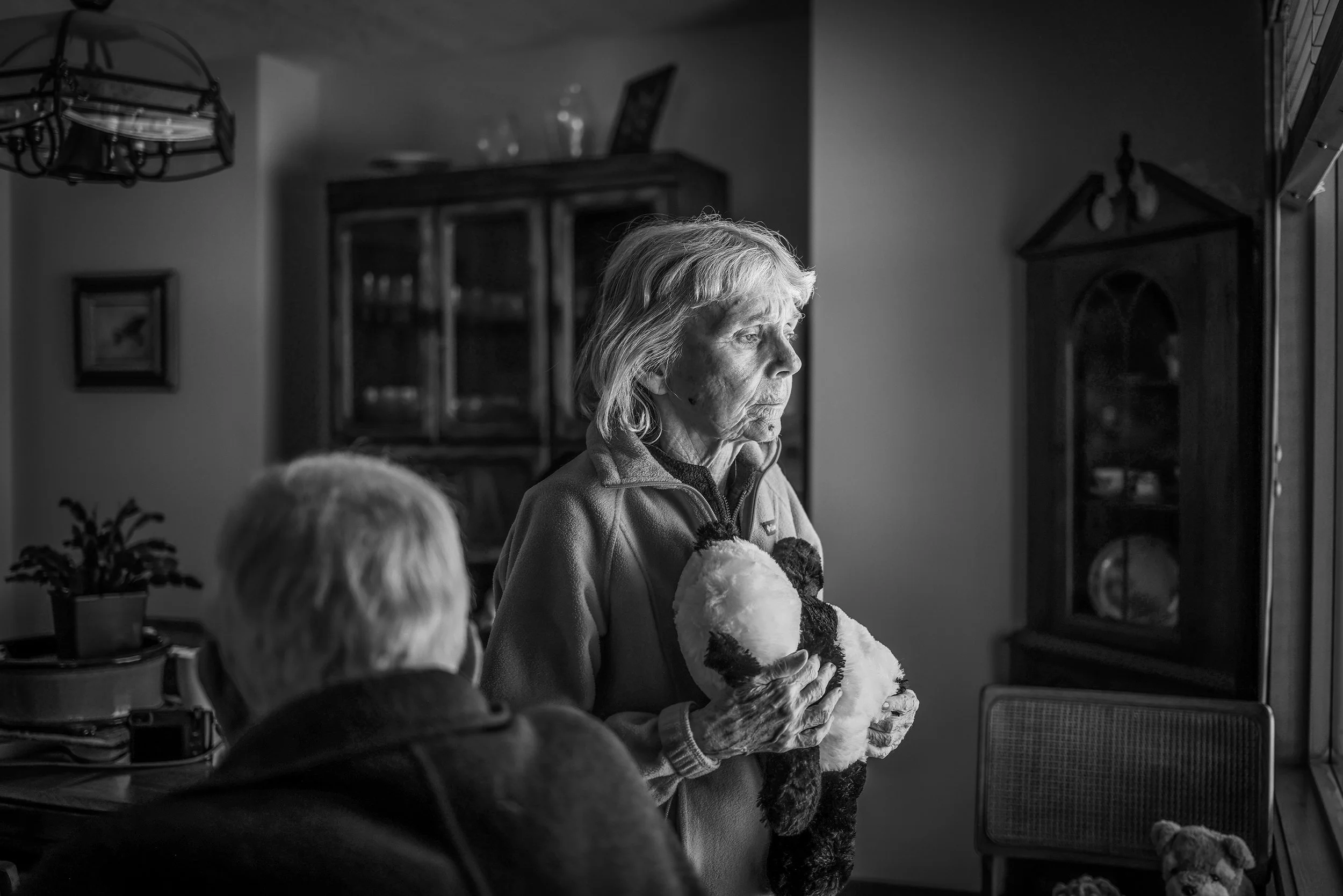
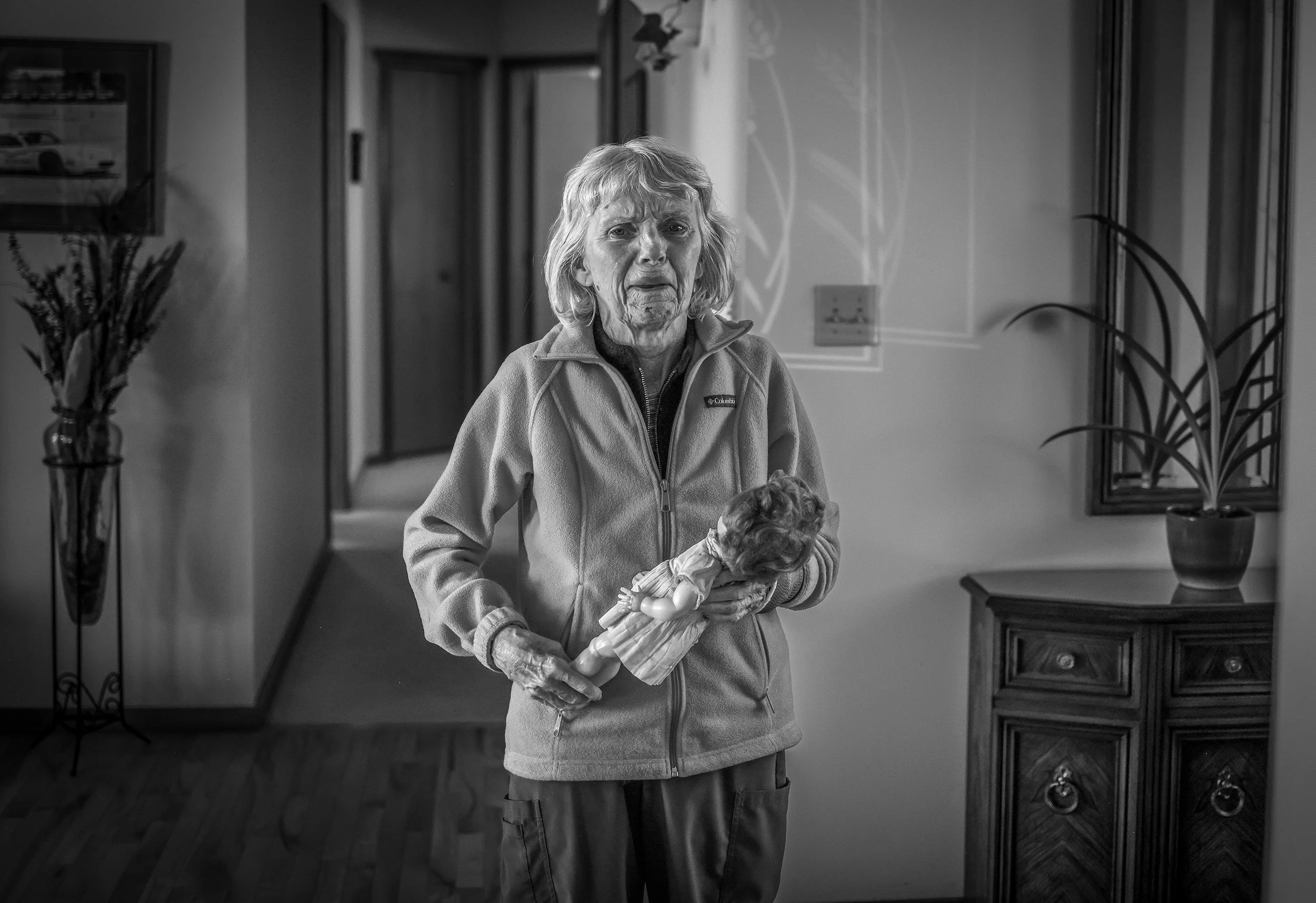
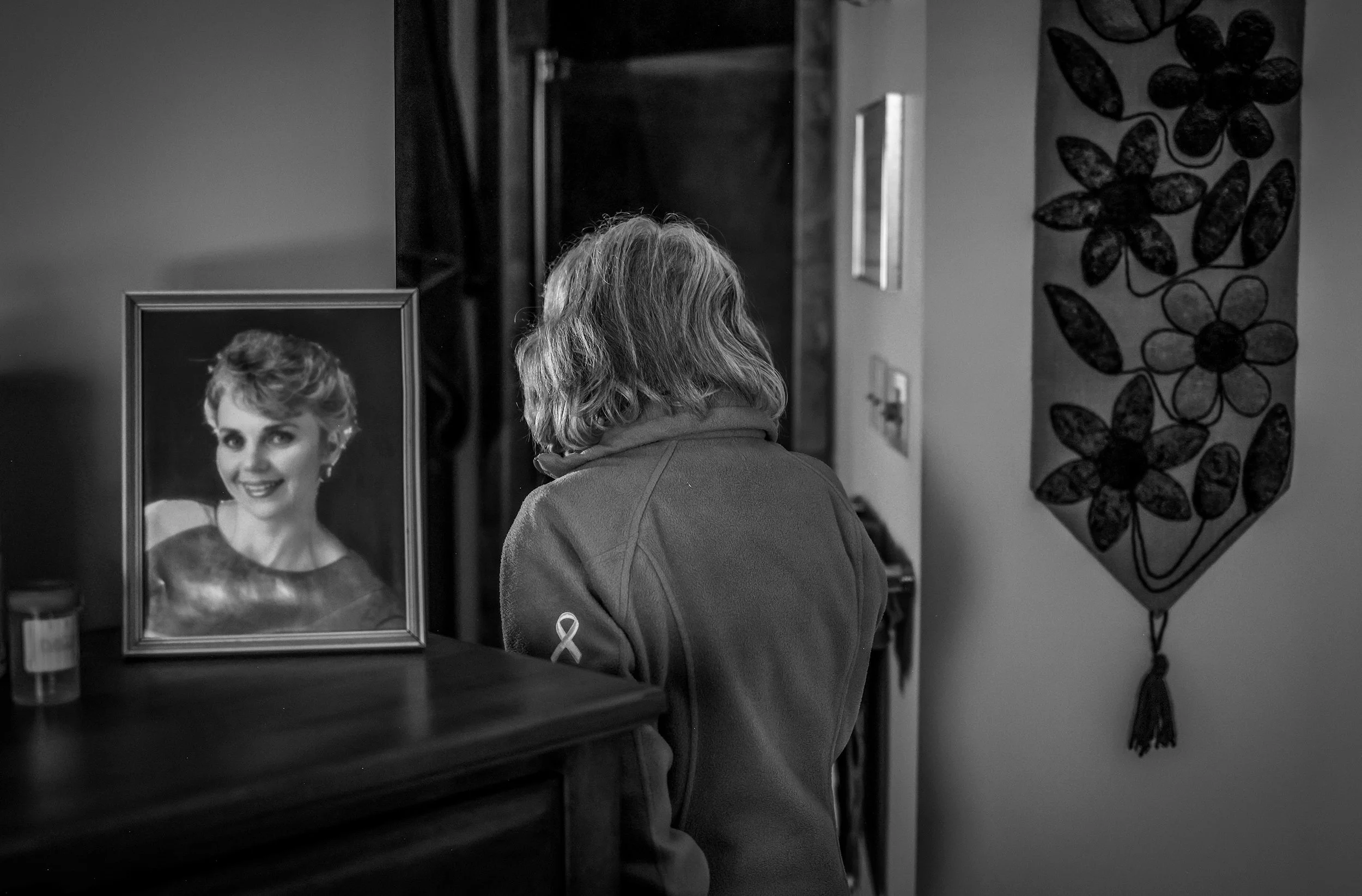
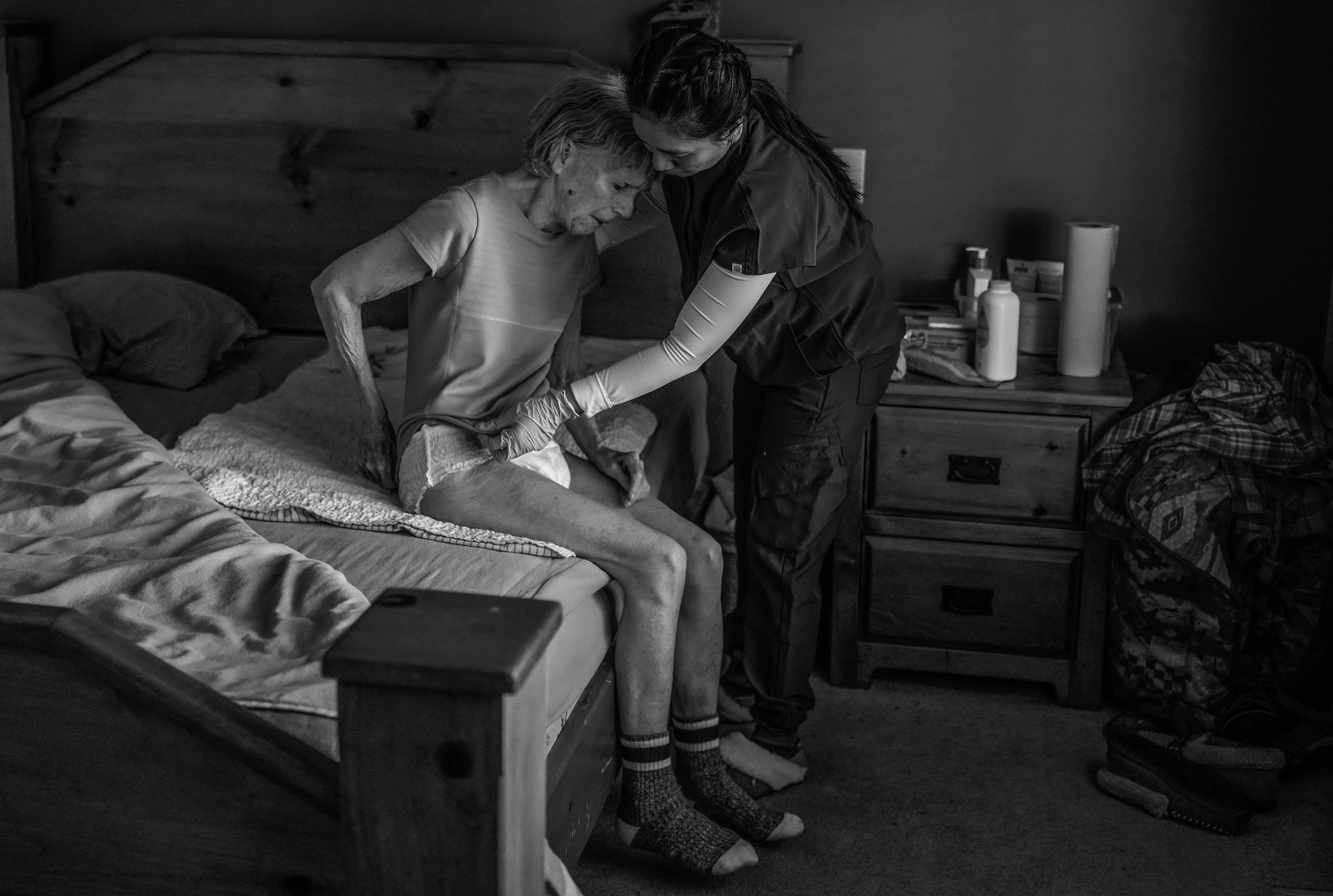
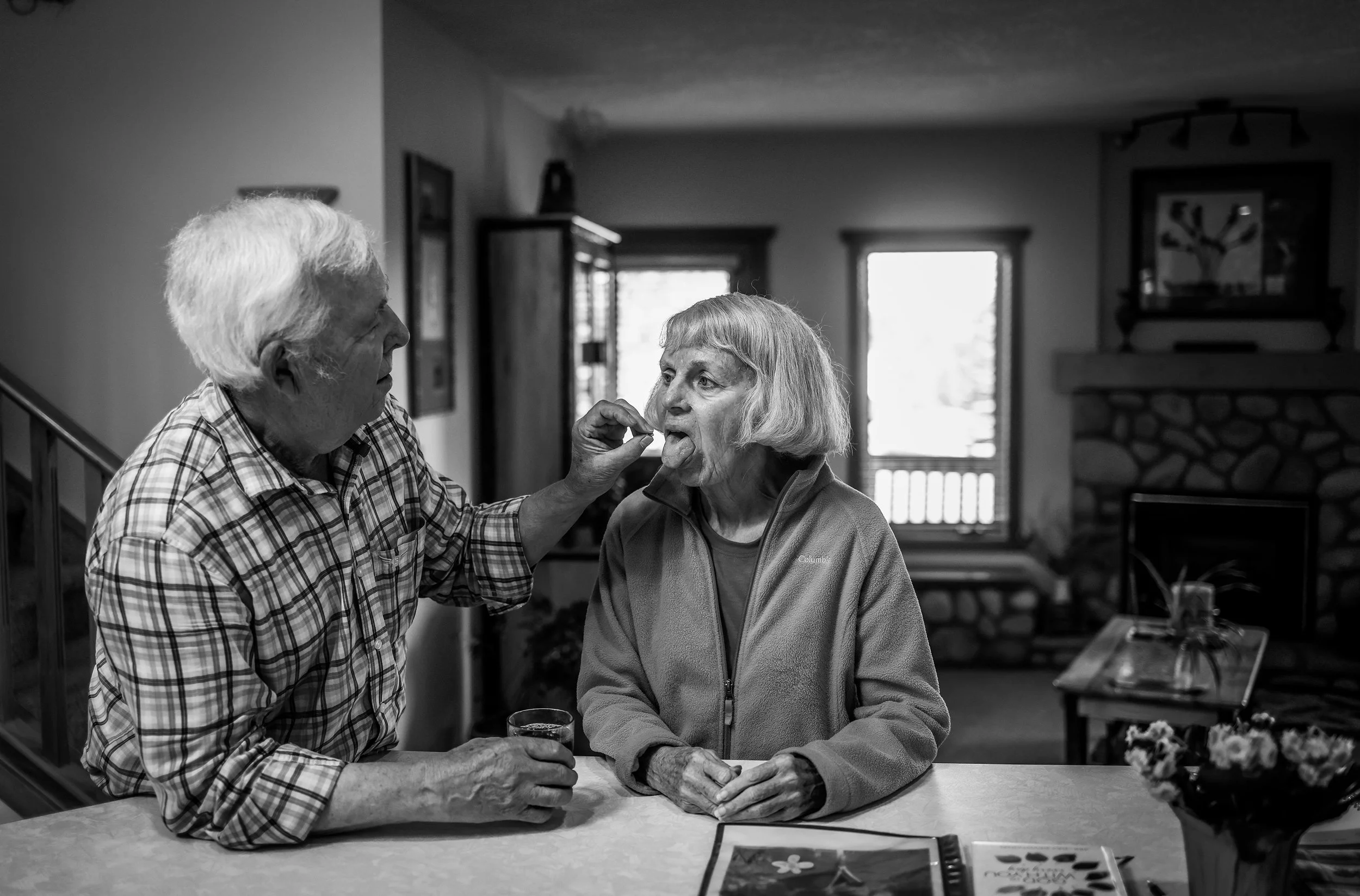
“With the essay In the Time We Have, Leah Hennel gives the precious gift of time to Joan Connor and Alan Rae. Over the course of years Leah takes us into the life of two people as they step -- side-by-side -- into their twilight years and the saintly work that Alan does to care for Joan. While being respectful of the couple’s dignity, Leah's beautiful images do not turn away from the challenges of the daily work of caring for a fading loved one. They are honest and close and patient and at times hopeful. And they speak to the mission of the Bob and Diane Fund by growing our understanding of the costs and challenges of dementia and Alzheimer’s disease.”
— Chip Somodevilla, Getty Images
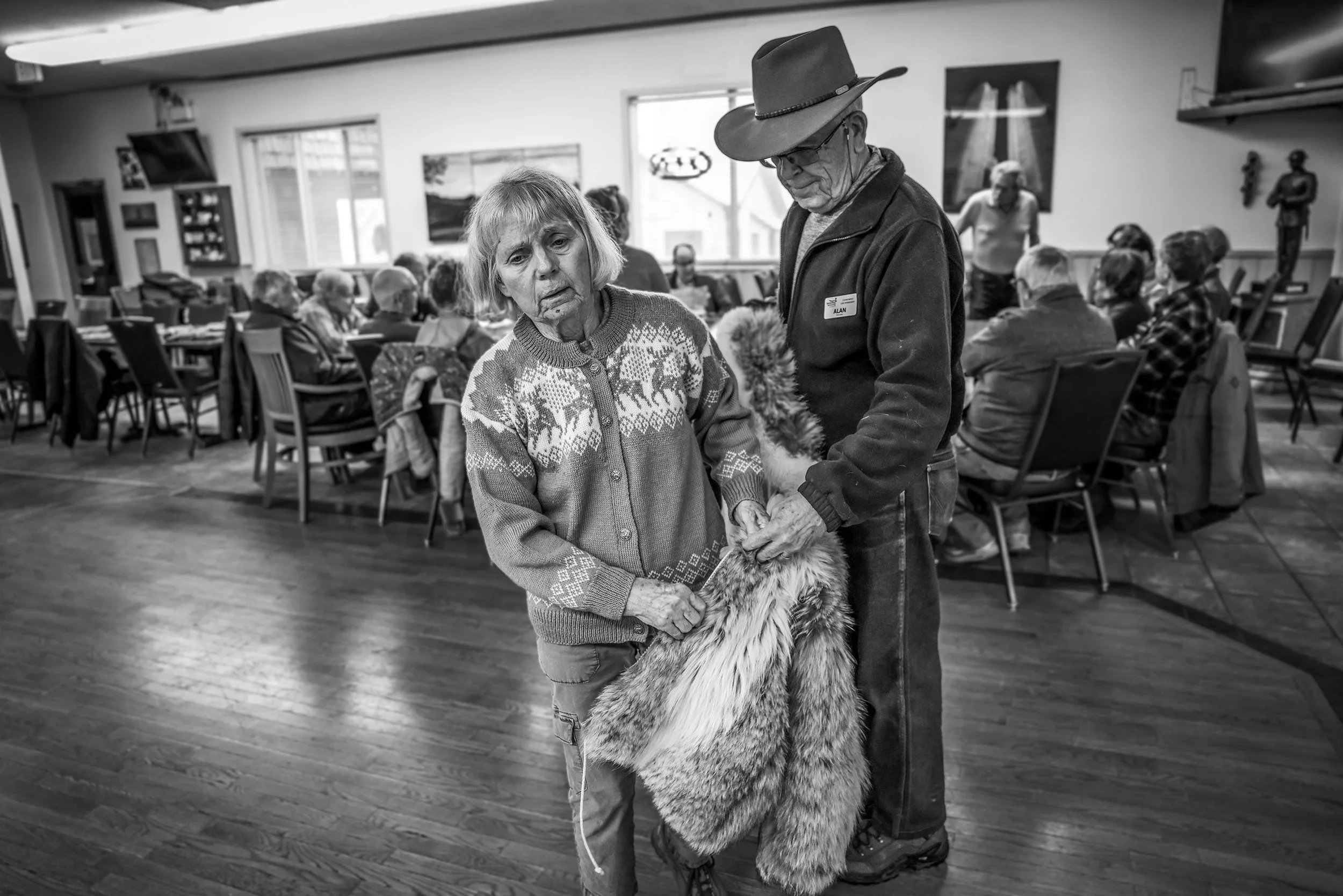
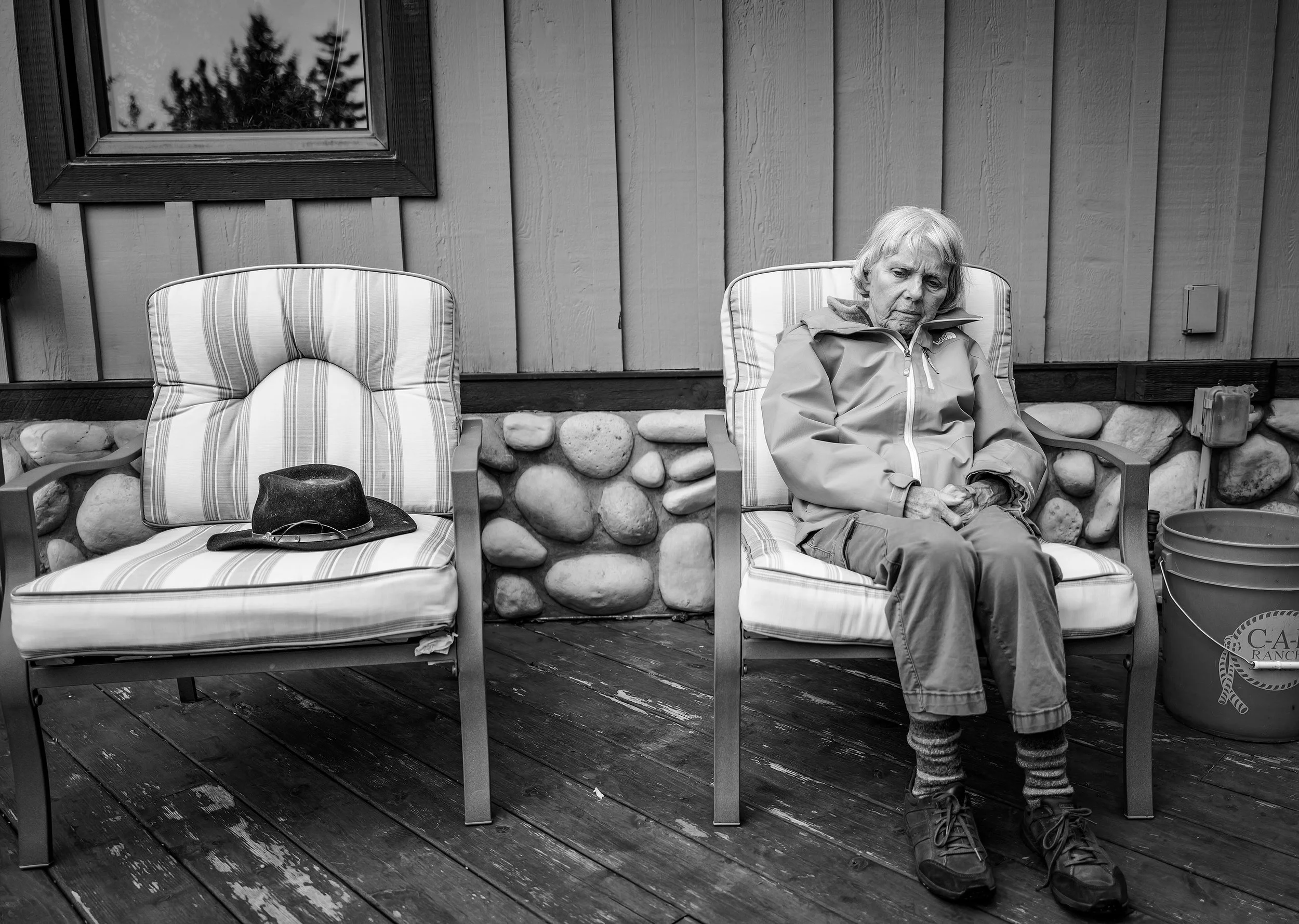
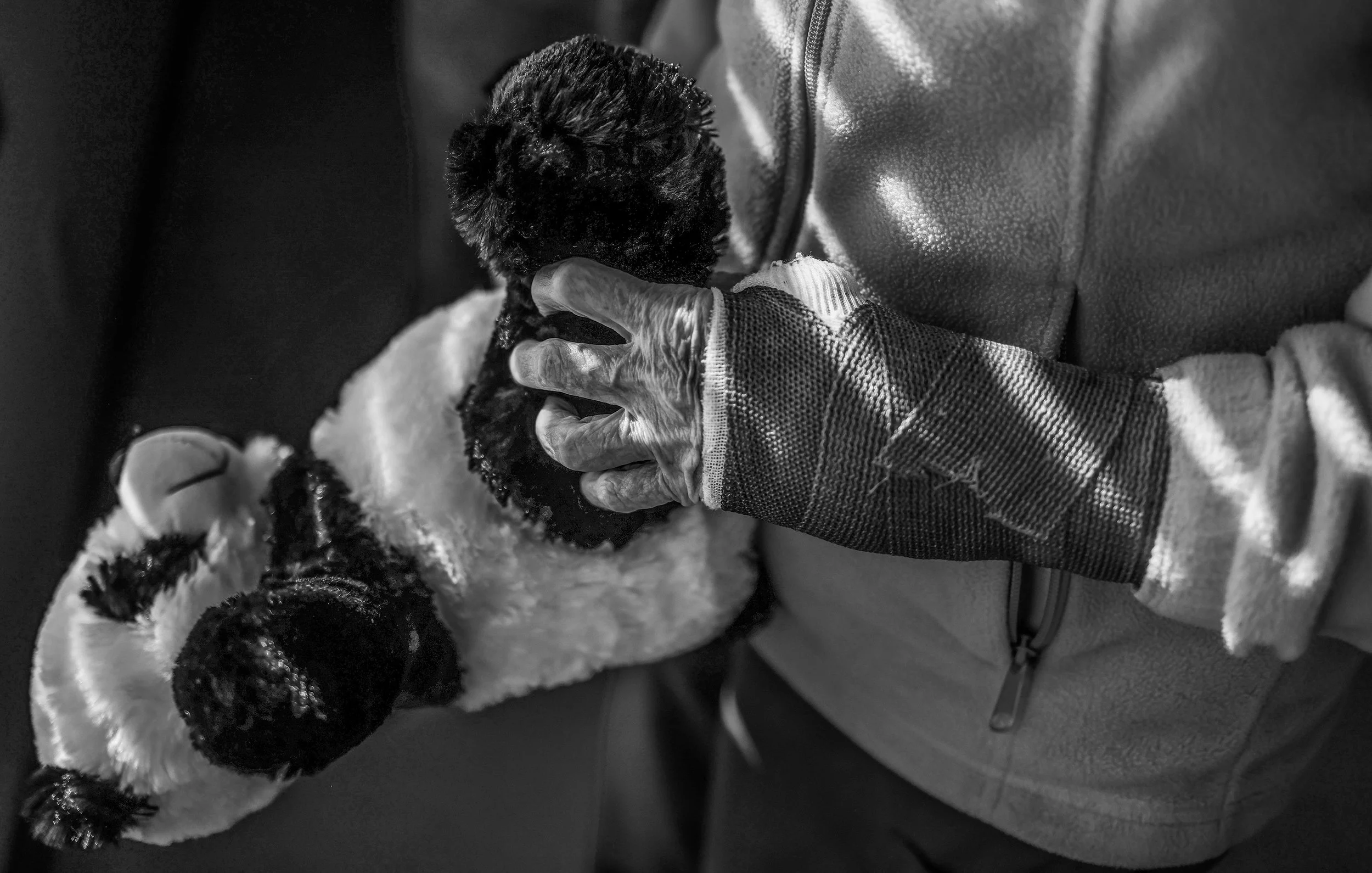
“Leah’s images show us not only Alan’s tenderness through care but also Joan's confusion, and sometimes, despair. These are not easy images to look at or think about how many lives have been affected by this disease. But in Leah’s description of her time spent with Joan and Alan she said, “working on this project has taught me a lot about true love.” This work, as are so many of the projects submitted for the Bob and Diane grant, is a lesson in true love for all of us. Thank-you Leah!"
— Sarah Leen, Former Director of Photography, National Geographic Magazine
In The Time We Have
By Leah Hennel
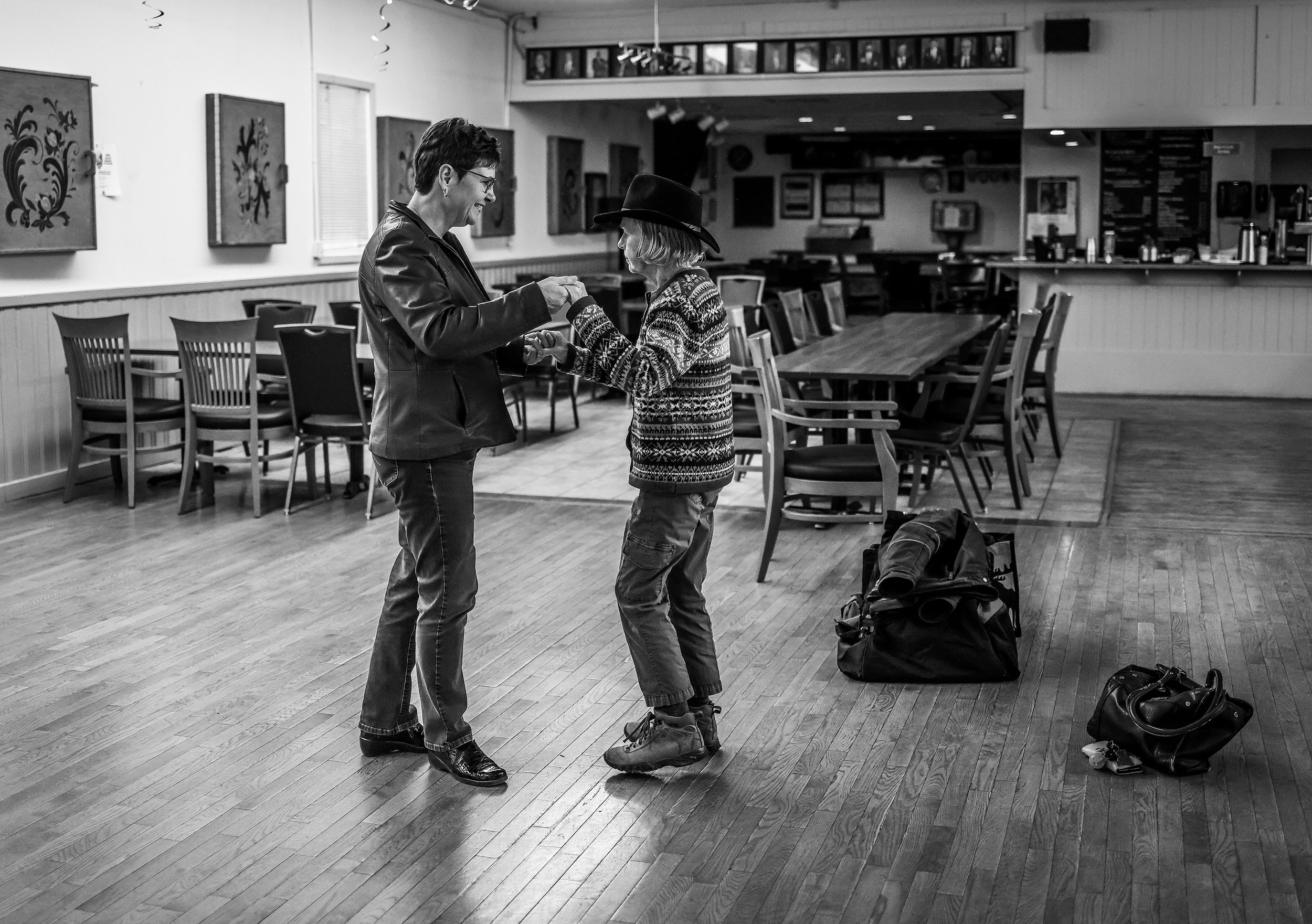
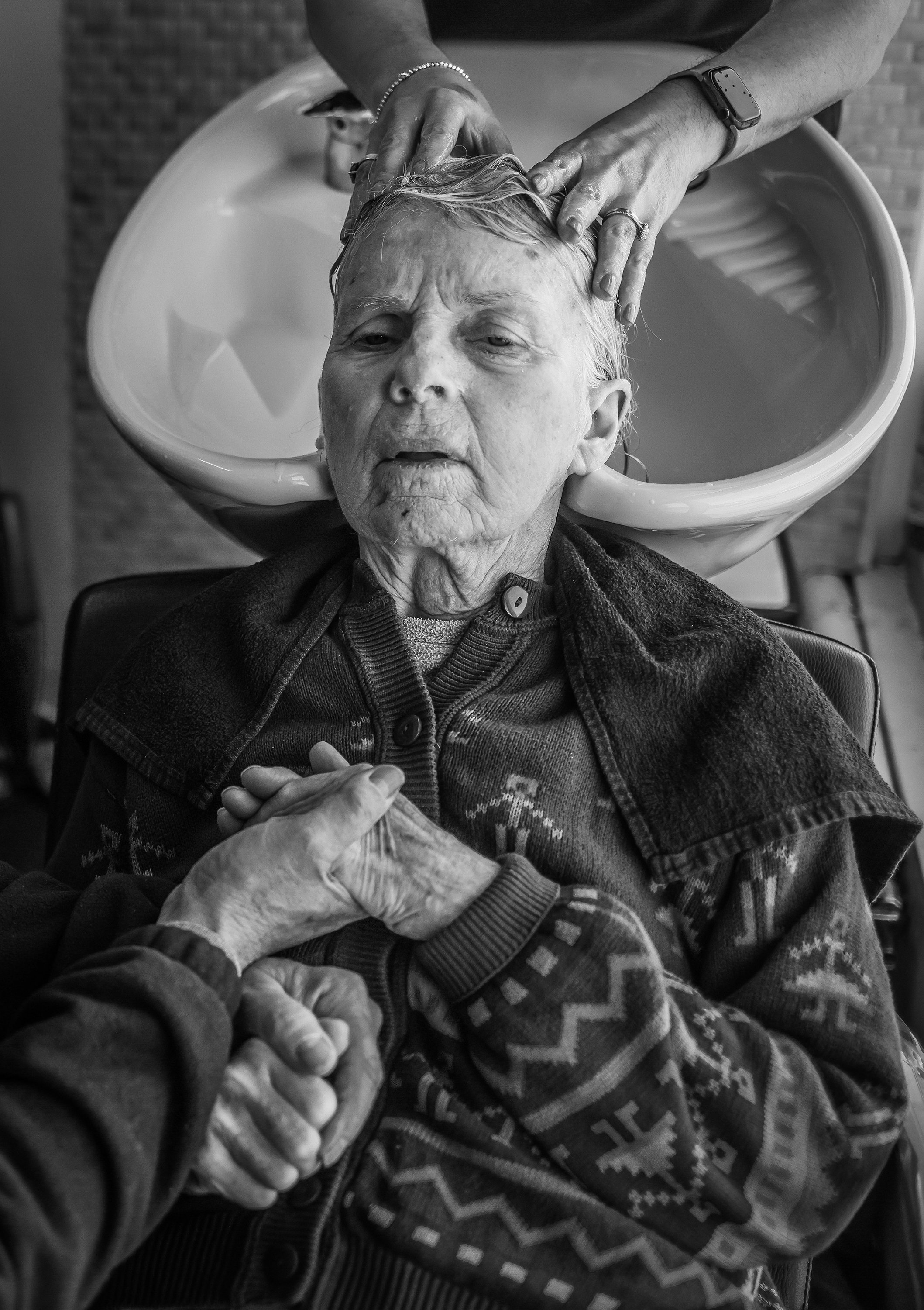
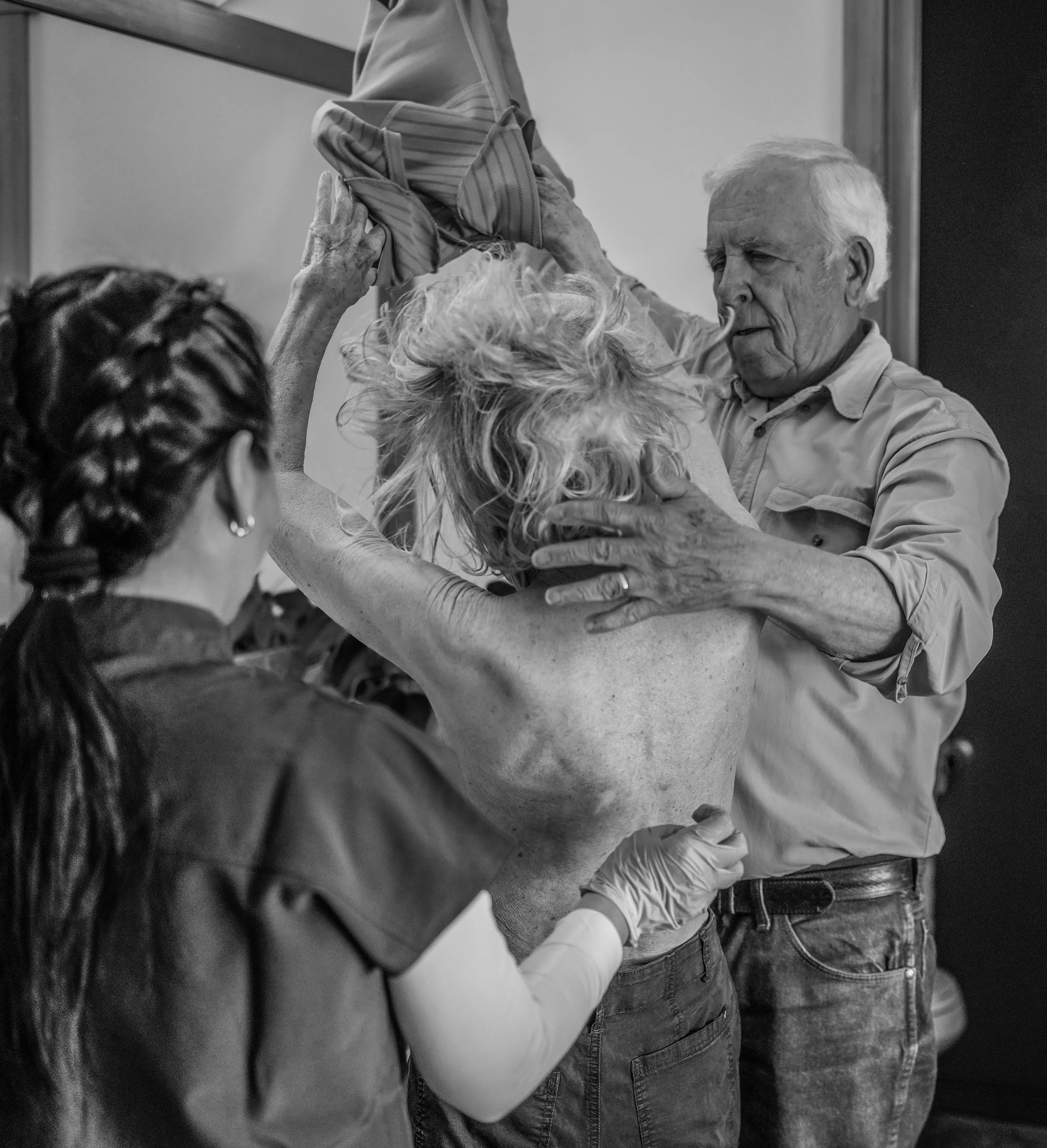
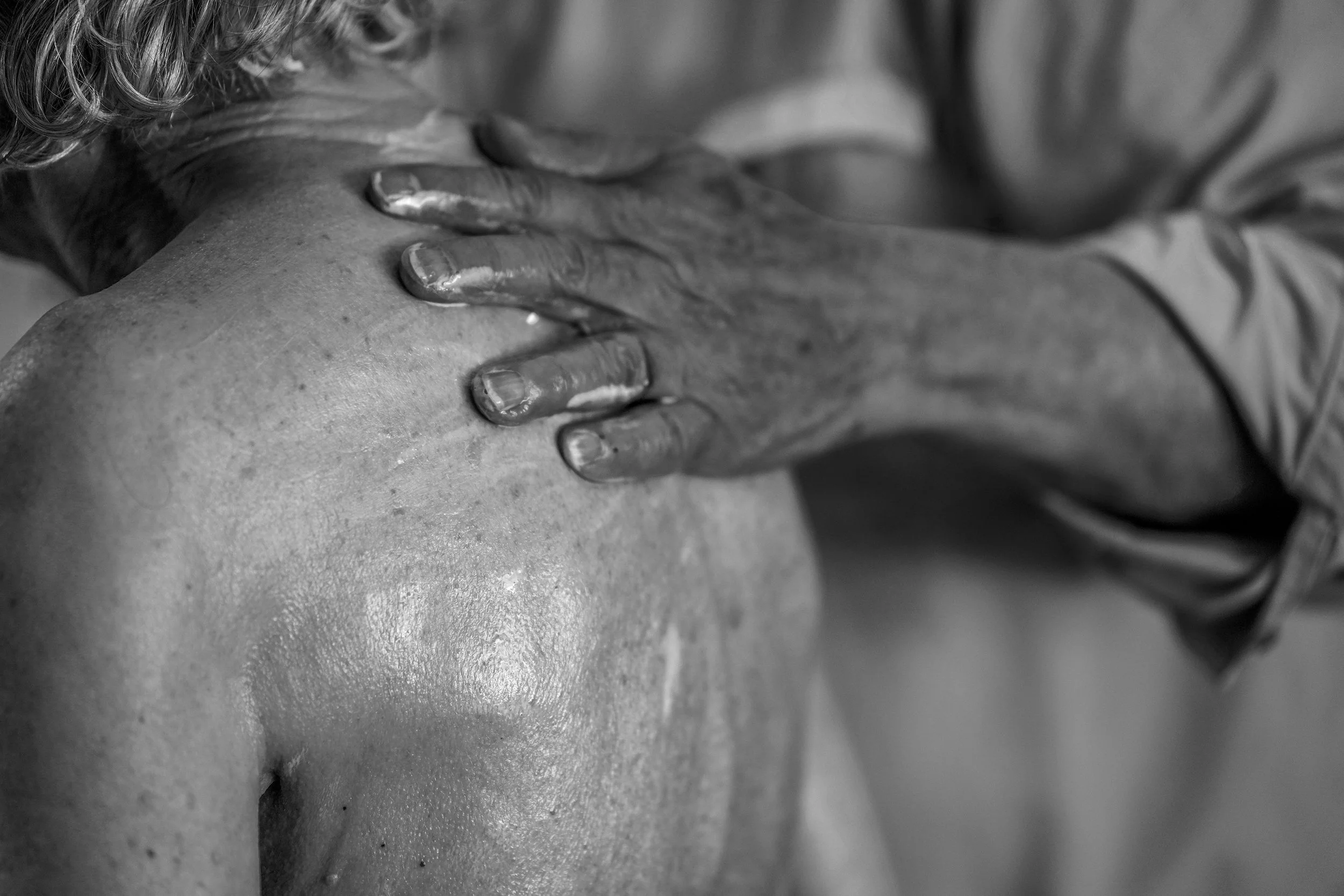
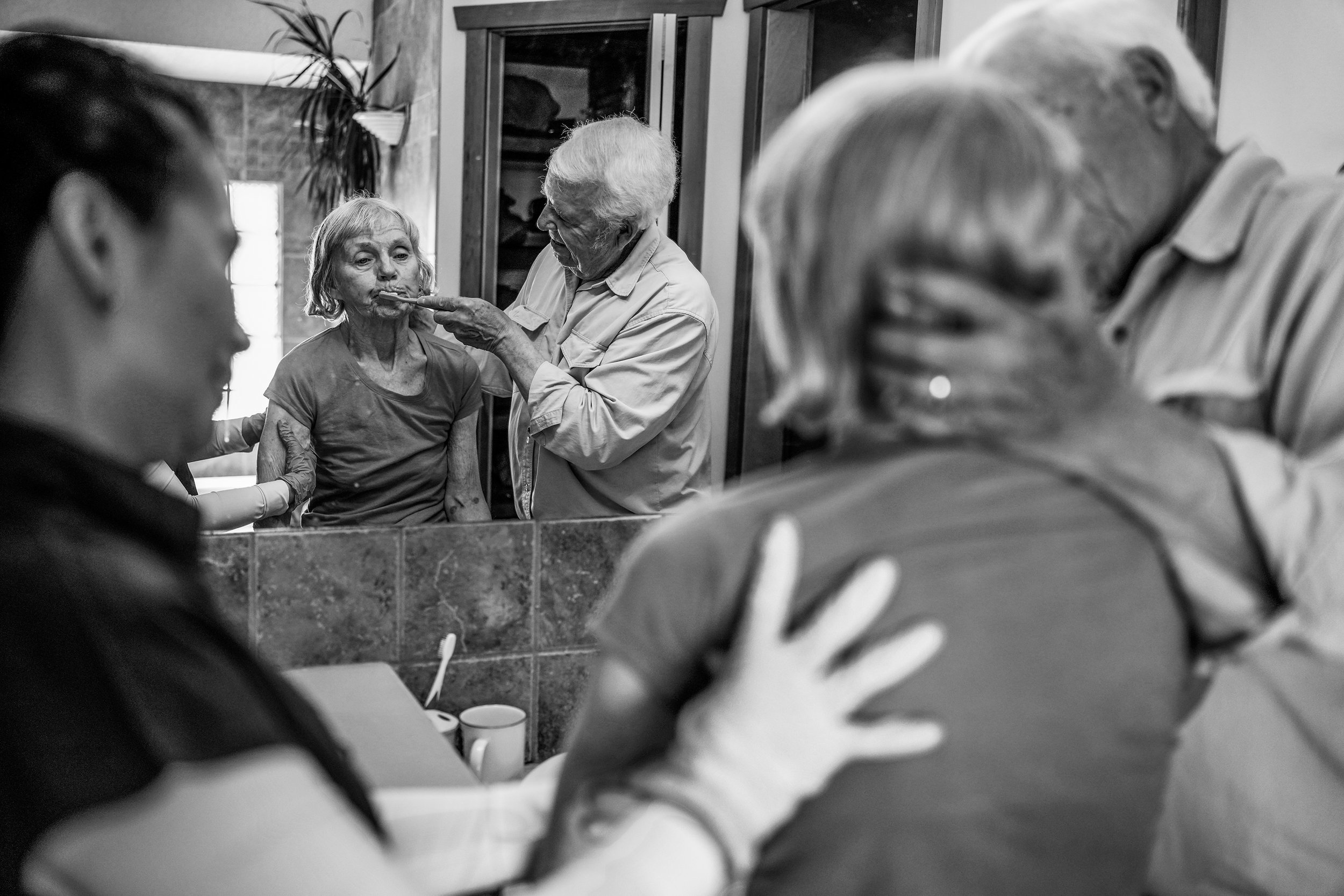
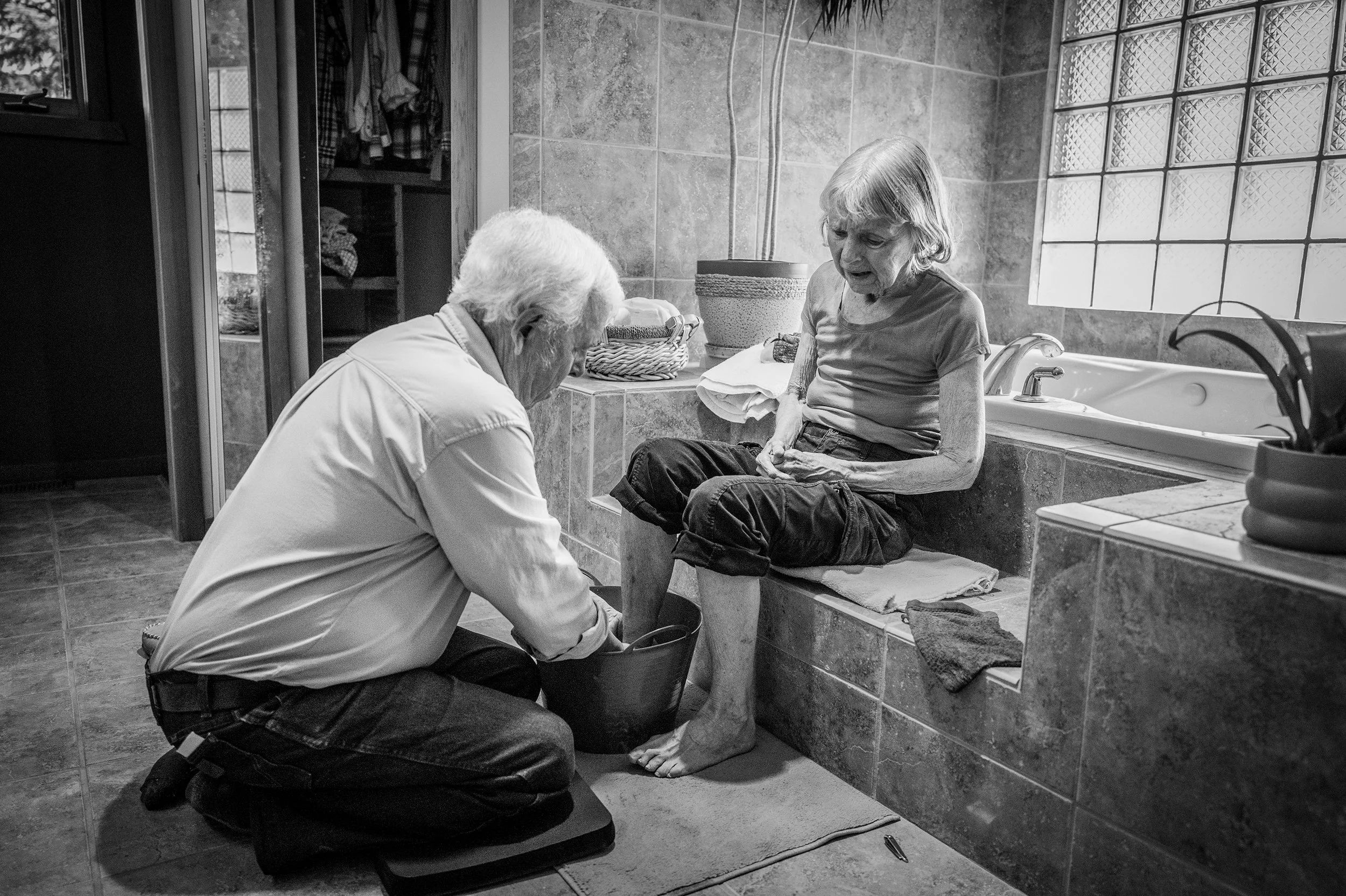
This is a personal project about a woman who has been living with dementia for more than 10 years. Her husband is now her full-time caregiver, and the couple maintains their residence in Calgary.
I first met Joan and Alan in 2017, while on assignment for the Calgary Herald for a dementia-related story. Fast forward a couple of years — to COVID in 2021 — when I was watching my husband and his family cope with my father-in-law's failing health due to dementia. It got me thinking about this disease, its increasing prevalence, and how there is no cure.
What's left is care — but what does that look like? Because in addition to the person who is living with dementia, there is a terrific toll on family members. Suppose something happens to Alan — what then?
This disease, in particular, is heart-wrenching because there is no hope, but the advance of the disease in a lot of cases is very obvious. You don't need a microscope or a blood test. So, with my father-in-law's plight in mind — the family politely declined to have their journey documented — I decided to reconnect with Joan and Alan. They're open — and have remained open — about their story.
Willing to share their most personal moments, they want to be a part of this project, even sharing the photos I've already taken. Working on this project has taught me a lot about true love. It's so cliché, but a positive outlook in the face of adversity, is so important. Alan's outlook on life is heartening. As an ambassador for support, he wants to break the stigma of people living with dementia and of the people operating as caretakers. Further, Alan has helped me reach out to other families dealing with dementia, but few people are as cooperative as he and Joan.
As a way to support caregivers, Alan, after noticing conversation cafes in California, helped to start the Dementia/Memory Cafe. He has also lent a hand to the formation of Dementia Network Calgary. As he takes Joan everywhere, Alan looks for solutions. He has a printed card he can pull out to explain his wife's behaviour. He books appointments for Joan at a hairdresser, who has experience with dementia.
The couple has never stopped living, and it's an honour to tell their story.
Joan is now 75 and Alan, 80.